Milk Street Kitchen Home

Category

Baking Science

11 articles

What Actually Happens When Meat Rests — The Protein Science Behind the Rule

What Actually Happens When Meat Rests — The Protein Science Behind the Rule

You've heard the advice a thousand times: let your meat rest before cutting. But the usual explanation — that juices redistribute — doesn't tell the whole story. The real mechanism involves muscle fiber contraction, myosin behavior, and a temperature curve that plays out differently depending on how long you wait.
Bubbly Starter, Flat Loaf: The Sourdough Timing Mystery Finally Explained

Your sourdough starter doubles reliably, smells tangy and alive, and passes the float test — so why does your actual loaf barely rise? The answer lies in the biology of fermentation and a key distinction between starter activity and dough readiness that most recipes never bother to explain.

One Extra Minute in the Pan Changes Everything — Here's the Chemistry Behind Brown Butter

One Extra Minute in the Pan Changes Everything — Here's the Chemistry Behind Brown Butter

Most home cooks pull butter off the heat the moment it melts, never realizing they're stopping just short of something extraordinary. Brown butter isn't just a chef's trick — it's a molecular transformation that creates entirely new flavor compounds your plain melted butter simply doesn't have. Here's what's actually happening in that pan, and why it matters for everything from cookies to pan sauces.

The Gluten and Fat Science Behind Pie Crust That Shrinks — And Why Two Rest Periods Change Everything

The Gluten and Fat Science Behind Pie Crust That Shrinks — And Why Two Rest Periods Change Everything

If your pie crust keeps pulling away from the pan walls or baking up dense instead of flaky, the problem isn't your recipe — it's what's happening at the molecular level inside your dough. Understanding how gluten development and fat distribution work together reveals exactly why chilling the dough twice and using ice water aren't just old-fashioned fussiness. Get the science right, and a tender, properly set crust becomes completely repeatable.

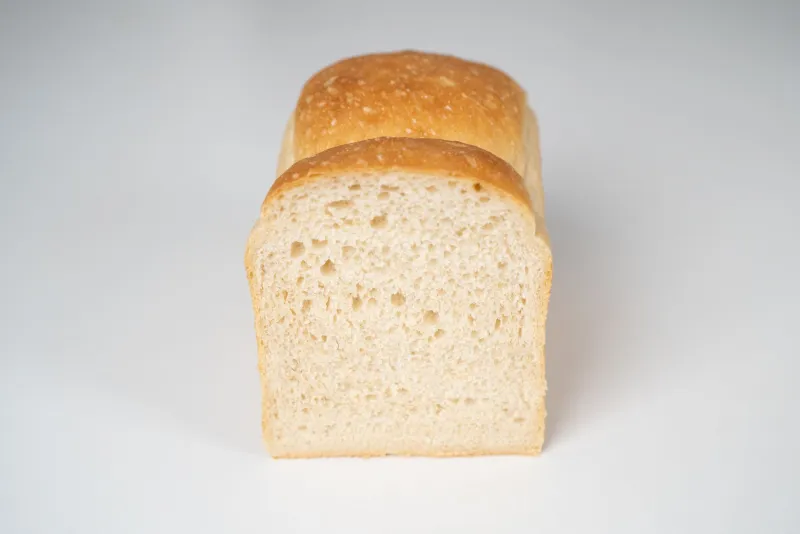
The Japanese Bread Trick That Keeps Your Loaf Soft for Days

The Japanese Bread Trick That Keeps Your Loaf Soft for Days

Shokupan — Japan's legendary milk bread — stays impossibly tender long after most homemade loaves have gone stale. The secret is a simple flour-and-water paste cooked on your stovetop before the dough ever comes together, and once you understand why it works, you'll use it in everything you bake.